
PORSCHE.
Re: PORSCHE.
 Napisal/-a Tine dne Če Jan 06, 2011 3:04 pm
... pa ga prepričat da ogn bruha!!!
Glavno je, da je še vedno vse pod kontrolo.
-

Tine - Kmetavzar
- Prispevkov: 1626
- Pridružen: To Nov 04, 2008 1:30 pm
- Kraj: Maribor
- Avto: Renault Clio 1.5 dCi
Re: PORSCHE.
Napisal/-a Cox dne Če Jan 06, 2011 3:25 pm
BureK napisal/-a:dej vsakič ko pogledam eno sliko tle, me prime da bi vse golfe prodal in si šel po eno lepo 964

Samo kje boš dobil dveinpedeset golfov je vprašanje ..
Kaj bi šparali, tak nikol neomo trošli ..
-

Cox - UPORABNIK S KRAVO
- Prispevkov: 2894
- Pridružen: Po Dec 08, 2008 8:21 pm
- Kraj: Maribor
- Avto: type 3
Re: PORSCHE.
Napisal/-a jinx82 dne Če Jan 06, 2011 3:52 pm
Cox napisal/-a:BureK napisal/-a:dej vsakič ko pogledam eno sliko tle, me prime da bi vse golfe prodal in si šel po eno lepo 964
Samo kje boš dobil dveinpedeset golfov je vprašanje ..
Na odpadu, mona

fb: Old's Cool
-

jinx82 - Mati bwožja
- Prispevkov: 12575
- Pridružen: To Jan 24, 2006 11:57 pm
Re: PORSCHE.
Napisal/-a BureK dne Če Jan 06, 2011 4:14 pm
cox: ma dej pošlji mi sestro na šolanje, bo vsaj ona ostala pametna punca...ker ob tebi ji bo težko uspelo 
kje si najdu zdaj 59 golfov ? ker so tej bosanci vredni 250€ pa pol 60 * 250 = 15 jurjev ?
kje si najdu zdaj 59 golfov ?
ker so tej bosanci vredni 250€ pa pol 60 * 250 = 15 jurjev ? -
BureK - Z jogurtom
- Prispevkov: 10857
- Pridružen: Sr Jan 25, 2006 12:34 pm
- Kraj: predor Markovec
- Avto: Rallye Golf
Re: PORSCHE.
Napisal/-a Cox dne Če Jan 06, 2011 4:47 pm
Vidim da matematika ti kar gre ... vendar bomo o šolanju še malo razmislili  Lahko pa menjama ... pa ne za 59 golfov, sestro za sestro
No pa še malo po pravilih ...

Lahko pa menjama ... pa ne za 59 golfov, sestro za sestro No pa še malo po pravilih ...
Kaj bi šparali, tak nikol neomo trošli ..
-
Cox - UPORABNIK S KRAVO
- Prispevkov: 2894
- Pridružen: Po Dec 08, 2008 8:21 pm
- Kraj: Maribor
- Avto: type 3
Re: PORSCHE.
Napisal/-a dado1986 dne Če Jan 06, 2011 5:08 pm
jinx82 napisal/-a:Evoga, sanje... Usaj enga navadnega kupt, pa mu prnetat razširitve in narest en 'malo kopijo'

to so sanje vsakega pravega avtomobilista

ps: se pridružujem tvojim sanjam, sam bi mel rajš original
-
dado1986 - Stalni uporabnik
- Prispevkov: 324
- Pridružen: Po Jan 04, 2010 12:28 am
- Kraj: Dol pri Ljubljani
- Avto: VW Polo Mk2, VW Caravelle T3, Audi 100 2.8 V6
Re: PORSCHE.
Napisal/-a eugene dne Če Jan 06, 2011 9:02 pm
godba na pihala


"Try not. Do. Or do not. There is no try." - Master Yoda
-
eugene - Valček s.p.
- Prispevkov: 3825
- Pridružen: To Avg 08, 2006 2:21 pm
- Kraj: Vukojebina
- Avto: Mk1 gti, hrošč '67, volvo 145 in 245 superpolar
Re: PORSCHE.
Napisal/-a jinx82 dne Če Jan 06, 2011 10:34 pm
dado1986 napisal/-a:jinx82 napisal/-a:Evoga, sanje... Usaj enga navadnega kupt, pa mu prnetat razširitve in narest en 'malo kopijo'
to so sanje vsakega pravega avtomobilista
ps: se pridružujem tvojim sanjam, sam bi mel rajš original
Ja, jest bi imel pa vse GT3-jke ki so kadarkoli obstajale
fb: Old's Cool
-
jinx82 - Mati bwožja
- Prispevkov: 12575
- Pridružen: To Jan 24, 2006 11:57 pm
Re: PORSCHE.
Napisal/-a DS71 dne Pe Jan 07, 2011 12:26 am
eugene napisal/-a:godba na pihala
a iz te filharmonije ?
..THERE WILL NEVER BE ANYTHING LIKE THEM AGAIN...the NOISE...the SPEED...the POWER...the GROUP B...
-

DS71 - Stalni uporabnik
- Prispevkov: 1966
- Pridružen: Če Feb 05, 2009 9:51 pm
- Kraj: Il. Bistrica
- Avto: zoom zoom

-

Jurtz - Stalni uporabnik
- Prispevkov: 11460
- Pridružen: To Jan 24, 2006 10:32 pm
- Avto: '08 Golf GTI, '02 Polo Gr. A
Re: PORSCHE.
Napisal/-a fritz dne Ne Jan 09, 2011 11:29 pm
moram priznat, da mi ga je skoda za tribarvno varijanto 
cel rdec s crno/poliranimi fuksi bi bil lepsi. meni osebno.
cel rdec s crno/poliranimi fuksi bi bil lepsi. meni osebno.
-

fritz - Wheel whore
- Prispevkov: 13394
- Pridružen: Sr Jan 25, 2006 10:52 pm
- Kraj: tanajtabujsiklima
- Avto: Golf Rallye G60
Re: PORSCHE.
Napisal/-a čare dne Ne Jan 09, 2011 11:35 pm
eugene napisal/-a:godba na pihala
Razdelilno kapo ma pa kot transformator za cel naselje,če ti tuki kdo mal ponagaja in ti pomeša kable maš dela za cel popoldne da jih pravilno naštimaš.Od kerga isusa boga je ta moped??
Svi mi volimo pičić,samo Mile Kitić
-

čare - Tiger
- Prispevkov: 3465
- Pridružen: Ne Feb 12, 2006 7:32 pm
- Kraj: ljubljana
- Avto: FIAT Marea JTD
Re: PORSCHE.
Napisal/-a jinx82 dne Po Jan 10, 2011 12:21 am
fritz napisal/-a:moram priznat, da mi ga je skoda za tribarvno varijanto
cel rdec s crno/poliranimi fuksi bi bil lepsi. meni osebno.
Tole je original dirkalni 'proš', ne vem če za rally al za kako prvenstvo. Imam slike nekje na compu, ko je bil poleti na salonu starovobnih vozil razstavljen še kot gola školjka
fb: Old's Cool
-
jinx82 - Mati bwožja
- Prispevkov: 12575
- Pridružen: To Jan 24, 2006 11:57 pm
Re: PORSCHE.
Napisal/-a ŽucMac dne Po Jan 10, 2011 12:22 am
Piše Porsche 917, 16 cilindrski, letnik 1969-70
“Never argue with stupid people, they will drag you down to their level and then beat you with experience.” - Mark Twain
-

ŽucMac - Stalni uporabnik
- Prispevkov: 6697
- Pridružen: Sr Feb 11, 2009 12:57 am
Re: PORSCHE.
Napisal/-a jinx82 dne Po Jan 10, 2011 12:23 am
Žuc, če si odgovoril na moj post ...debatiramo o tisti rdeče-beli 911 - made in slo
fb: Old's Cool
-
jinx82 - Mati bwožja
- Prispevkov: 12575
- Pridružen: To Jan 24, 2006 11:57 pm
Re: PORSCHE.
Napisal/-a Jurtz dne Po Jan 10, 2011 12:26 am
fritz, v konkretno tem primeru je pomembnejše kot zunanji izgled, tole:

ja, tako kot je rekel jinx, gre za 911 ST, pripravljeno za rally.
ja, tako kot je rekel jinx, gre za 911 ST, pripravljeno za rally.
-
Jurtz - Stalni uporabnik
- Prispevkov: 11460
- Pridružen: To Jan 24, 2006 10:32 pm
- Avto: '08 Golf GTI, '02 Polo Gr. A
Re: PORSCHE.
Napisal/-a ŽucMac dne Po Jan 10, 2011 12:28 am
jinx82 napisal/-a:Žuc, če si odgovoril na moj post ...debatiramo o tisti rdeče-beli 911 - made in slo
A-a, tisto leti na čareta in trafo postajo
“Never argue with stupid people, they will drag you down to their level and then beat you with experience.” - Mark Twain
-
ŽucMac - Stalni uporabnik
- Prispevkov: 6697
- Pridružen: Sr Feb 11, 2009 12:57 am
Re: PORSCHE.
Napisal/-a jinx82 dne Po Jan 10, 2011 12:34 am
Evo slike s salona starodobnikov:


fb: Old's Cool
-
jinx82 - Mati bwožja
- Prispevkov: 12575
- Pridružen: To Jan 24, 2006 11:57 pm
Re: PORSCHE.
Napisal/-a fritz dne Po Jan 10, 2011 6:31 am
ja saj mi je popolnoma jasno v cemu je srz.
ampak se zmeraj bi raje vidu celega rdecega.
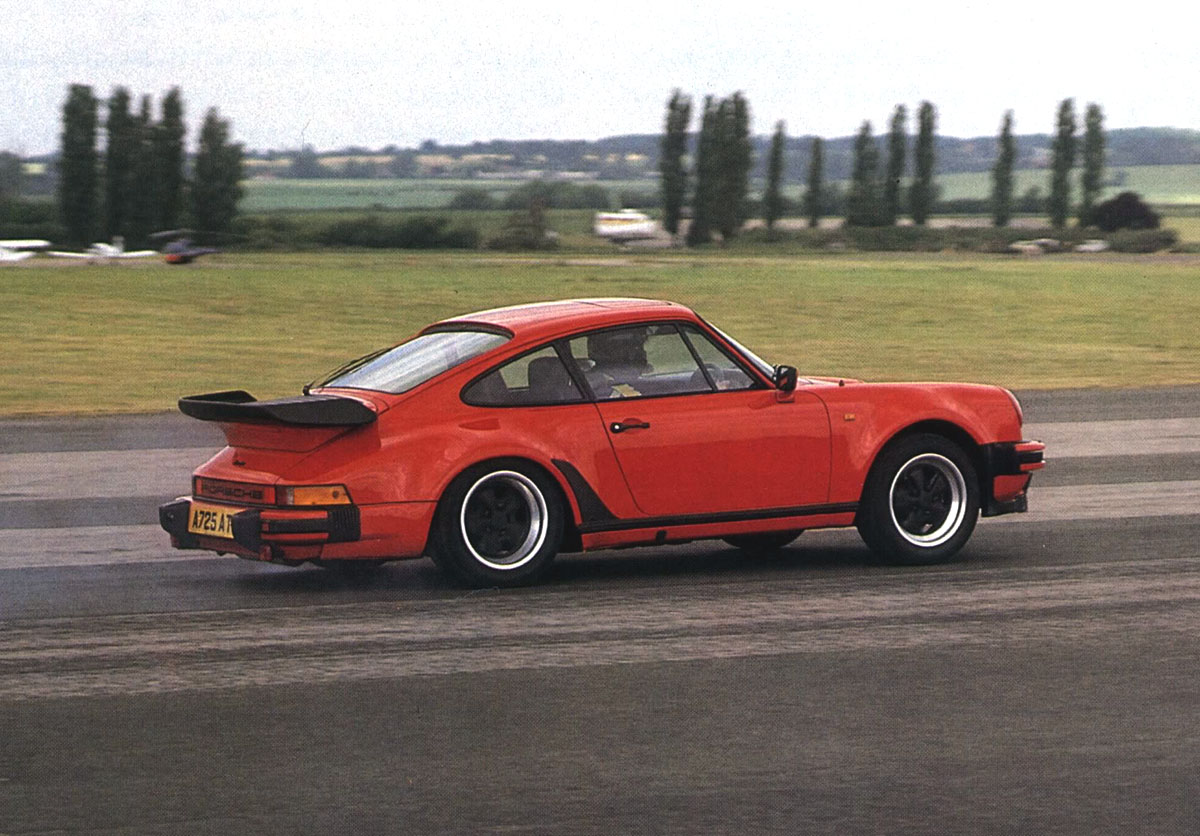


ampak se zmeraj bi raje vidu celega rdecega.
-
fritz - Wheel whore
- Prispevkov: 13394
- Pridružen: Sr Jan 25, 2006 10:52 pm
- Kraj: tanajtabujsiklima
- Avto: Golf Rallye G60
Re: PORSCHE.
Napisal/-a jinx82 dne Po Jan 10, 2011 9:46 am
...meni bi blo pa prav vseeno kake barve bi bil, če bi le bil moj
fb: Old's Cool
-
jinx82 - Mati bwožja
- Prispevkov: 12575
- Pridružen: To Jan 24, 2006 11:57 pm
Re: PORSCHE.
Napisal/-a fritz dne Po Jan 10, 2011 10:40 am
saj kadar je kaj za opalit je vseeno, ampak ce ze lahko zbiras, pole vseeno malo pogledas vsaj ce ma vse zobe


-
fritz - Wheel whore
- Prispevkov: 13394
- Pridružen: Sr Jan 25, 2006 10:52 pm
- Kraj: tanajtabujsiklima
- Avto: Golf Rallye G60
Re: PORSCHE.
Napisal/-a Jurtz dne Po Jan 10, 2011 7:48 pm
ponavadi nemorš izbirat
verjetno ni brez razloga take barve.
verjetno ni brez razloga take barve.
-
Jurtz - Stalni uporabnik
- Prispevkov: 11460
- Pridružen: To Jan 24, 2006 10:32 pm
- Avto: '08 Golf GTI, '02 Polo Gr. A
Re: PORSCHE.
Napisal/-a jinx82 dne Po Jan 10, 2011 9:19 pm
Jurtz napisal/-a:ponavadi nemorš izbirat
verjetno ni brez razloga take barve.
Naj nekdo zbrska kak info, ker če se ne motim je to bla original tovarniško pripravljena 911 za rallye.
fb: Old's Cool
-
jinx82 - Mati bwožja
- Prispevkov: 12575
- Pridružen: To Jan 24, 2006 11:57 pm
Re: PORSCHE.
Napisal/-a Jurtz dne Po Jan 10, 2011 9:45 pm
jinx, ST-ji so bli itak namenjeni v prvi vrsti za dirkalnike.
Konkretno ta avto o katerem mi govorimo pa je bil sestavljen kar lepo v sloveniji. Konkretno v delavnici dirkača Janija Trčka.

Video: http://www.avto-magazin.si/novice/video ... he-911-st/
poleg 1973 carrere rs zame ultimativni porsche...
For 1970 Porsche homologated their 911S in both the Group 3 and Group 4 GT classes. New rules for the GT classes allowed the fender flares to be increased by two inches from the stock configuration to accommodate larger wheels and tires. With the larger 2195 cc displacement the cars were in 2.0 to 2.5 liter class where they could increase the displacement up to the class limit by using a larger bore.
These cars were known by their internal designation the 911ST. From 1970 through 1972 a series of these cars were built for both rallying and GT racing. The first 911STs built to compete in this class had 2.3 liter engines (2247 cc, which was 85 mm bore and 66 mm stroke) and then they were expanded to 2.4 liters (there were two versions 2380 cc 87.5 with mm bore and 66 mm stroke and 2395 cc with 85 mm bore and 70.4 mm stroke) and finally 2.5 liters engine (again their were two versions 2492 cc with 86.7 mm bore and 70.4 mm stroke and 2464 cc with 89 mm bore and 66 mm stroke) The cars built in 1970 and 1971 utilized the 66 mm stroke will most of the later cars built in 1972 used the 70.4 mm stroke.
The 911ST was different from the standard production model in that thin gauge sheet metal was used for the roof panel, for both rear side panels and for the seat pan and interior back and side panels. In the interest of weight saving they also deleted the seat slide supports on the central tunnel, all standard seat belt mounting points, the heater ducts, the ashtray, the glove box door, and the tubes for the front and rear hood latches as well as the front and rear latch mechanisms. The decorative under door and bumper moldings were also left off, as were the fog light recess covers, front torsion bar protectors, the rear torsion bar covers and the passenger side sun visor. Sheet metal joints were not filled, none of the sound deadening material was used and even the paint was kept as thin as possible to help keep the weight down.
They also made parts available to further modify and lighten these 911s’s such as a fiberglass hood, front fenders, and front and rear bumpers, aluminum skinned doors with a steel frame, and Plexiglass for all windows except the windshield which was also available in thinner light glass. Optional 80 liter or 110 liter fuel tanks were available with a large filler neck up through the front hood were available in place of the standard 62 liter tank with its fender mounted filler. A strut tower brace was installed to add stiffness to the front trunk area. For racing 7" and 9" by 15 inch wheels were available.
1970 Rally version of the 2.2 911S was very successful in the Monte Carlo, Swedish rally, Austrian Alpine event, RAC Rally and the winner of the Manufactures Rally Championship.
1970 2.3 liter Circuit racing version of the 911S. These 2.3 racing cars utilized 7 and 9 inch wheels and became a favorite production based racing car for the private racing teams.
1970 2.4 liter light weight ("Proto") prototype built especially for the 1970 Tour de France. 1970 Tour de France. Porsche reduced the weight of this car even further than that of the 911R to 1720 pounds. The engine for the Tour de France car was a 2.4 - liter engine producing 245 horsepower. These extensive modifications were permitted because the car was raced as a prototype rather than as a GT car.
1971 2.2 liter 911S "Safari". The Safari cars were lighter in weight than the production cars, but the biggest difference was in the special preparation for the rigors of off-road racing which included extra reinforcement, raised suspension settings and skid shields. Though the cars were very successful in the East African Safari, they never won this event which is one of the few races in the world where a 911 or 911-based car was eligible that they have not been able to win.
Konkretno ta avto o katerem mi govorimo pa je bil sestavljen kar lepo v sloveniji. Konkretno v delavnici dirkača Janija Trčka.
Avto-magazin.si napisal/-a:Trček, ki je lani osvojil tretje mesto v skupni razvrstitvi relija za DP, bo letos namesto v Mitsubishiju Lancerju EVO IX sedel v starodobnem Porscheju 911 ST.
V osnovi je dirkalnik letnik 1969, vendar je povsem na novo narejen in ima kar 226 'konjev' ter dokazanih 880 kilogramov, tehtano s polno posodo za gorivo, nadomestnim kolesom in čeladama.
»Letos bom z njim odpeljal nekaj izbranih relijev v Sloveniji, mogoče kakšno domačo gorsko dirko, predvsem pa prestižne dirke starodobnikov v tujini,« je dejal Trček. (AM)
Video: http://www.avto-magazin.si/novice/video ... he-911-st/
poleg 1973 carrere rs zame ultimativni porsche...
-
Jurtz - Stalni uporabnik
- Prispevkov: 11460
- Pridružen: To Jan 24, 2006 10:32 pm
- Avto: '08 Golf GTI, '02 Polo Gr. A
Re: PORSCHE.
Napisal/-a jinx82 dne Po Jan 10, 2011 9:59 pm
Upam, da bomo tole videli v Bistrici
fb: Old's Cool
-
jinx82 - Mati bwožja
- Prispevkov: 12575
- Pridružen: To Jan 24, 2006 11:57 pm
Kdo je na strani
Po forumu brska: Google [Bot] in 0 gostov